Votre collecte de fonds évolue. Votre CRM, pas vraiment.

Kris Van Kerkhoven • 12 June 2026

Share this article

Le coût caché d’un CRM qui ne suit plus l’évolution de votre organisation.

Il y a un moment que presque tous les collecteurs de fonds reconnaissent.


C'est lundi matin. Vous avez trois fichiers Excel ouverts, un export de votre ancienne base de données, et un message d'un collègue qui demande si "la liste pour la campagne de fin d'année est déjà prête." Vous savez que les données sont quelque part. Seulement, vous ne savez pas quelle version est la bonne.

Entre-temps, votre base de donateurs continue de croître. Plus de campagnes, plus de contacts, plus de revenus. Une bonne nouvelle, pourrait-on croire. Mais le système qui gérait autrefois 2 000 donateurs craque sous le poids de 8 000.


Ce n'est pas une situation exceptionnelle. C'est un schéma que je vois dans des dizaines d'organisations.


Comment cela commence


La plupart des petites organisations à but non lucratif démarrent avec ce qui est disponible : un tableur, une base de données simple, parfois CiviCRM parce que c'est gratuit et que quelqu'un l'a mis en place un jour. Ça fonctionne. Un temps.


Puis l'organisation grandit. De nouveaux collaborateurs arrivent. Un deuxième canal de campagne est ajouté. Les domiciliations SEPA entrent en jeu. Les attestations fiscales doivent partir. Soudain, trois personnes travaillent dans la même base de données sans savoir ce que les autres ont modifié.

Des doublons apparaissent. Les adresses ne sont plus correctes. Des attestations partent à la mauvaise personne. Un donateur qui a donné fidèlement pendant cinq ans reçoit un e-mail "bienvenue, nouveau donateur."


Le système tourne encore. Mais il ne tourne plus bien.


Quand un système commence-t-il à vous freiner ?


Pas au moment où quelque chose se passe de manière spectaculaire. Ça, ça se remarque immédiatement. Le vrai problème, c'est le déclin progressif.


Vous vous reconnaissez dans ceci ? Votre équipe consacre plus de temps à la gestion des données qu'au contact avec les donateurs. Produire un rapport est un projet en soi, pas une routine. Chaque campagne nécessite un export et un nettoyage manuels. Les nouveaux collaborateurs sont frustrés parce qu'ils ne s'y retrouvent pas dans les données. Vous ne savez pas quels donateurs sont sur le point de décrocher.

Si trois de ces cinq points vous parlent, votre organisation grandit déjà depuis un moment sans que le système suive.


Le mythe de la migration


"Passer à un meilleur système nous prendra des mois."


C'est vrai pour les implémentations sur mesure. Les organisations qui font appel à un consultant Salesforce pour un projet personnalisé mettent parfois six à douze mois avant de passer en production.

Mais ce n'est pas la seule voie.


Fundflow fonctionne comme une couche produit au-dessus de Salesforce. Les modules pour le traitement des dons, les domiciliations SEPA, les attestations fiscales automatisées et l'intégration des fichiers bancaires belges (CAMT/CODA) sont déjà construits. Vous les configurez pour votre organisation, mais vous ne partez pas de zéro.


Cette différence d'approche permet de planifier une migration depuis des tableurs ou CiviCRM vers Salesforce avec Fundflow en quelques semaines, pas en mois. Sans équipe technique du côté de l'organisation. Sans documents de spécifications étendus.


Ce que vous gagnez


Un collecteur de fonds qui passe moins de temps à gérer des données a plus de temps pour ses donateurs. Cela semble simple, parce que ça l'est.


Avec un système qui suit votre croissance, vous voyez quels donateurs risquent de décrocher. Les attestations fiscales partent automatiquement au bon moment. Vous voyez en un coup d'œil quelle campagne performe. Les nouveaux collaborateurs disposent d'un système qui fonctionne plutôt que d'un enchevêtrement de solutions provisoires qu'ils doivent apprendre à accepter.


Les organisations qui franchissent ce pas disent presque toutes la même chose par la suite : nous aurions dû le faire plus tôt.


Pour qui est-ce pertinent ?


Pour les organisations à but non lucratif qui grandissent et commencent à ressentir les frictions. Pour les collecteurs de fonds qui savent que des données leur échappent, mais ne peuvent pas identifier où. Pour les directeurs qui ne veulent plus baser leur prochaine campagne sur un tableur.


Et pour les organisations qui réfléchissent à Salesforce depuis un moment, mais qui abandonnent face aux coûts et aux délais d'implémentation.


Fundflow est un produit d'Impactella, conçu par des personnes qui ont travaillé dans le secteur à but non lucratif. Le marché belge, l'infrastructure bancaire belge, la réglementation fiscale belge : nous les connaissons de l'intérieur. Et pour les organisations à but non lucratif aux Pays-Bas, en France et en Allemagne, les mêmes principes s'appliquent.
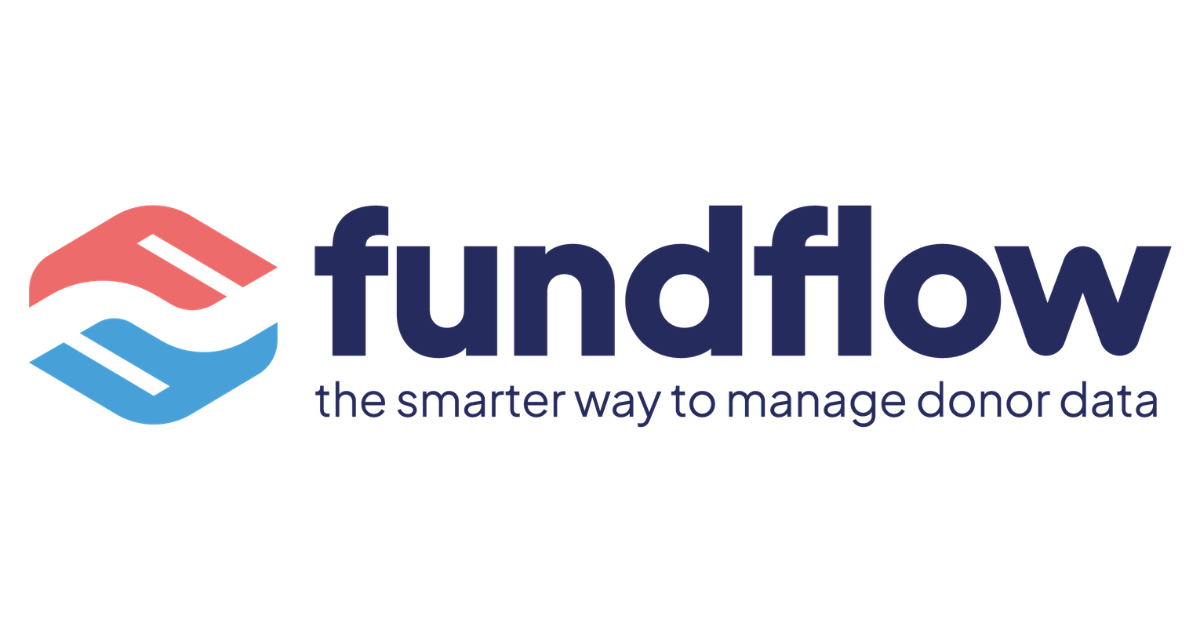
Person working at a desk with three monitors in a cluttered office, focused on data on the screens

Recent Posts

Scrabble tiles spelling “DATA” on a wooden tabletop, with scattered letter tiles around them
by Kris Van Kerkhoven 12 June 2026
Learn how data quality is vital for AI in nonprofit fundraising. Ensure accurate records ¢tralize systems for better results.
Woman working at a desk with a desktop computer in a bright office, typing and smiling.
by Kris Van Kerkhoven 12 June 2026
Fundflow simplifies Salesforce for Belgian nonprofits, automating gift processing & reducing admin tasks. Streamline your fundraising today!
Fundflow vs Odoo comparison banner with logos and dashboard graphics
by Kris Van Kerkhoven 12 June 2026
Compare Fundflow & Odoo for nonprofit fundraising. Find out which platform suits your needs best. Get started today!
Fundflow and Odoo logos on a blue and beige split background with small line icons
by Kris Van Kerkhoven 12 June 2026
Compare Fundflow & Odoo for nonprofit fundraising. Find the right software for your needs today!
Fundflow vs Odoo comparison banner with logos and dashboard graphics
by Kris Van Kerkhoven 12 June 2026
Compare Fundflow & Odoo for nonprofit fundraising. Evaluate pricing, features & implementation to enhance donor management.
Woman working at a desk with a desktop computer in a bright office, typing and smiling.
by Kris Van Kerkhoven 12 June 2026
Streamline your nonprofit operations with Fundflow's user-friendly Salesforce solution. Save time & focus on your mission today!
Scrabble tiles spelling “DATA” on a wooden surface, with scattered letter tiles around them
by Kris Van Kerkhoven 12 June 2026
Learn how data quality impacts AI in fundraising. Ensure your data is clean to maximize AI benefits. Contact us for more info!
Person working at a desk with multiple monitors in a cluttered office, focused on data on the screens
by Kris Van Kerkhoven 12 June 2026
Streamline your nonprofit's operations with Fundflow's Salesforce integration. Focus on donor relationships, not data management.
Person working at a desk with three monitors in a cluttered office, focused on data on the screens
by Kris Van Kerkhoven 22 May 2026
The hidden cost of a CRM that can't keep up
Wooden letter tiles spelling “DATA” on a light wood surface with scattered tiles around them
by Kris Van Kerkhoven 20 May 2026
Over the past few months, there has not been a single sector newsletter without a piece on AI in fundraising. Predictive analytics. Personalised donor communication. Automated segmentation. The promises are big, the tools are available, and the enthusiasm is understandable. But there is a conversation that is missing. And it is not about AI.  It is about your data. What AI actually does An AI tool for fundraising does, in simple terms, one thing: it analyses patterns in your historical data and uses those patterns to make predictions. Who is likely to give again? Who is ready for a larger gift? Who is at risk of lapsing? That sounds powerful. And it is, when the data those predictions are based on is reliable. But if your database is full of duplicate records, outdated addresses, gifts not linked to the right campaign, or donors with no communication history, the tool does not give you insights. It gives you errors, at scale, generated automatically. Garbage in, garbage out. That principle is as old as computers themselves. It applies to Excel. It applies to the most sophisticated AI tool on the market. The reality at many nonprofits This is not a theoretical problem. At many nonprofits, including organisations that have been running professional fundraising operations for years, the data often looks like this: The same donor appears three times in the system, under slightly different names or addresses. Gifts are recorded, but without a link to the campaign they came from. SEPA mandates live in a separate spreadsheet, not in the CRM. Communication history is scattered across multiple tools that never spoke to each other. That is not the result of negligence. It is the result of years of getting by with too little time, too few people, and systems that were never built for what you eventually needed them to do. The honest sequence Before a nonprofit invests in AI tools, there is work to be done. Not glamorous work. But the work that determines whether that investment pays off later. In practice, that means three things. Get your basic registration right. Every gift correctly linked. Every donor appearing once in the system. Communication preferences recorded. That is not a nice-to-have. It is the foundation. Centralise your data. Your fundraising, your direct debit mandates, your communication history: these belong in one system, not spread across a CRM, a spreadsheet, and three Mailchimp exports. As long as data lives in silos, no analytical tool can do anything useful with it. Ask the right questions of your data first. Who has not heard from you in the past 12 months? Who has given for five consecutive years but never had a personal touchpoint? These are questions your CRM should be able to answer today, without AI. If it cannot, AI is not yet on the agenda. Then, and only then: AI Once that foundation is in place, AI tools for fundraising genuinely add value. Predictive models that estimate who is ready for a major gift. Smart segmentation that adjusts automatically based on donor behaviour. Personalised communication that scales without losing relevance. But the tool is the last step, not the first. The nonprofits that will get the most out of AI in the coming years are not the ones that bought a tool earliest. They are the ones that got their data in order first. That is the honest message. Less glamorous than the AI stories in your newsletter. But the right one.
Show More